How to Appeal a Denied Surgery
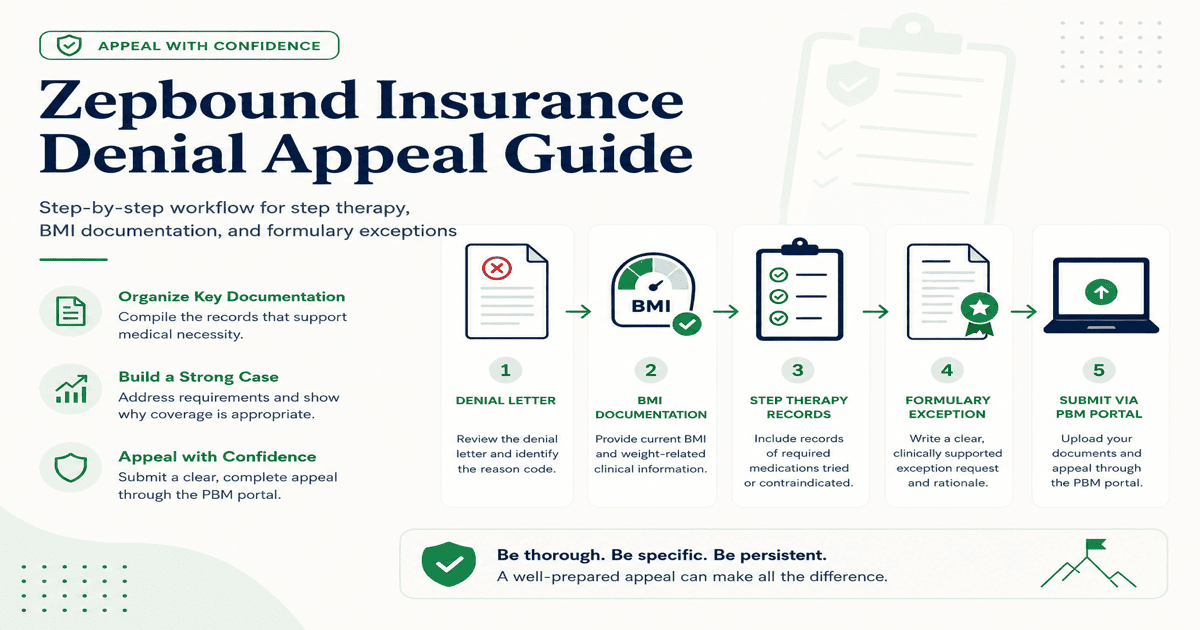
What Happens When Insurance Denies a Surgery?
Key Takeaway: A surgical denial is usually a coverage determination, not a clinical order from your surgeon. The plan may block payment because prior authorization was missing, because records did not meet medical necessity criteria, or because the procedure is excluded under your benefits.
You may learn about the denial before the operation is scheduled or after a claim is processed. The notice should name the denial reason, any authorization reference number, and how to request an internal appeal. Under Healthcare.gov's appeals overview, many non-grandfathered plans must offer a written internal review when you disagree with a coverage decision, including many surgical denials labeled not medically necessary.
Read the notice carefully before you write. A contractual exclusion for a specific procedure is not the same as a medical necessity dispute. A missing prior authorization is a process problem that may need retroactive review. A clinical denial needs operative notes and guideline citations. Match your next step to the reason code on the letter.
Calendar the appeal date today. Filing windows are printed on the denial notice. Missing the deadline can end your internal review rights for that determination.
What Documents Should You Gather for a Surgery Appeal?
Key Takeaway: Surgical appeals live or die on the medical record the reviewer sees. Build one numbered packet before you submit. Ask your surgeon's office for operative indications, failed conservative care, and imaging that answers each criterion on the denial.
Request the plan's clinical policy or medical necessity criteria cited in the denial. Under DOL ERISA claims procedure rules, many employer plans must share documents relied on in the decision. Match your records to each bullet the policy lists.
- Denial letter with CPT or procedure code, authorization reference, and cited criteria
- Surgical consultation notes and operative plan from your treating surgeon
- Imaging reports, lab results, and pathology when they support the indication
- Documentation of physical therapy, injections, or other conservative care when the policy requires it
- Letter of medical necessity signed by your surgeon addressing each denial reason
- Plan clinical policy section the denial referenced
For a structured starting draft, use the medical necessity appeal generator and pair it with your surgeon's signed letter. See our medical necessity appeal letter template for how to organize the member appeal separately from the clinician letter.
How Do You File an Internal Appeal for a Denied Surgery?
Key Takeaway: Your appeal letter is the member's formal request invoking the process named on the notice. It is not the same document as the surgeon's letter of medical necessity. Both can sit in one packet with a numbered attachment index.
Open with member ID, claim or authorization number, denial date, and a clear request for internal appeal. In the body, respond to each denial reason in the order the plan listed them. Close with a numbered enclosure list and your contact information. Submit to the address, fax, or portal on the notice and keep confirmation numbers, fax reports, or portal screenshots.
Ask your surgeon's office to request a peer-to-peer review while you gather records. That physician-to-physician call can overturn the denial before you mail the letter. If the denial cites a missing prior authorization, compare your timeline to our guide on how to appeal a prior authorization denial.
Denial Reason to Action: Surgery Appeals
Key Takeaway: The appeal path depends on the reason printed on your notice. Sending a medical necessity essay when the plan denied a missing prior auth wastes your filing window.
| Denial reason on notice | First action |
|---|---|
| Not medically necessary | Map operative notes and imaging to each plan criterion. Attach surgeon letter and policy section cited. |
| Prior authorization not obtained | Request auth submission proof from the clinic. File appeal or retroactive auth with clinical urgency documentation. |
| Experimental or investigational | Address the plan's exclusion language with FDA status and peer-reviewed evidence for your indication. Do not reuse a generic medical necessity template. |
| Benefit not covered | Check your Evidence of Coverage for exclusions. A medical necessity appeal cannot create a benefit the plan does not offer. |
Weak vs Strong Surgery Appeal Wording
Key Takeaway: Reviewers process high volumes of surgical appeals. Language that names codes, criteria, and attachments moves faster than general requests to approve needed surgery.
| Weak wording | Strong wording |
|---|---|
| “My surgeon says I need this operation. Please approve it.” | “I appeal denial code CO-50 dated 08/15/2026 for CPT 29881. Attachment 2 is Dr. Patel's letter addressing plan criterion 3.b on documented meniscal tear with failed conservative care. Attachment 3 lists eight weeks of physical therapy with dates.” |
| “Delaying surgery puts my health at risk.” | “I request expedited review. Attachment 4 documents progressive neurologic deficit on exam dated 08/10/2026. I cite the urgent appeal right named on my denial notice and ask for a decision within the expedited timeframe listed in my plan documents.” |
| “I attached medical records. Please review them.” | “Attachment index: 1 appeal letter, 2 letter of medical necessity, 3 MRI report, 4 orthopedic consult note, 5 physical therapy records, 6 plan policy section 5.2.1 cited on the denial.” |
What If You Need an Expedited Surgery Appeal?
Key Takeaway: Many plans offer urgent internal review when delay would seriously jeopardize life, health, or ability to regain maximum function. The standard and timeline are on your notice and plan documents, not one national rule.
Ask your surgeon's office to request expedited review in writing and document the clinical urgency. Your member appeal should cite the expedited appeal right named on the denial notice and attach the operative indication note. CMS Medicare Advantage appeal materials describe separate expedited paths for Medicare Advantage enrollees. Commercial plan clocks differ by contract.
Do not skip filing a standard appeal while you wait for an urgent call. If the expedited request is denied or delayed, you still need a timely internal appeal on record.
Draft your surgery appeal letter
AppealFlow builds a medical necessity appeal from your denial reason and surgical facts. Edit live, then download PDF or Word.
What Are Your Rights If the Internal Appeal Is Denied?
Key Takeaway: An upheld internal decision is not always the last step. Many non-grandfathered plans must offer external review when you disagree with a medical necessity determination after internal appeal.
Healthcare.gov's external-review page explains that you can ask an independent organization to review certain denials, including many medical necessity decisions, after the plan upholds an internal appeal. Medicare uses its own appeal levels on Medicare.gov claims and appeals.
Employer self-funded plans follow ERISA procedure rules. Fully insured state plans may add state external review options. Your final denial letter should name the program, address, and filing deadline that applies to your coverage. For more on fighting a not medically necessary label, see what to do when insurance says a claim is not medically necessary.
Frequently Asked Questions
Surgery appeal deadlines, prior auth vs medical necessity denials, expedited review, and Medicare vs commercial rules.
Generate Your Surgery Appeal Letter
AppealFlow.net drafts a regulation-informed appeal from your denial reason and surgical facts. Pair it with your surgeon's letter of medical necessity for a complete packet.
- 100% Free
- No Signup
- PDF & Word Export
Disclaimer: This article is for educational purposes only and does not constitute medical, legal, or financial advice. AppealFlow.net is not a healthcare provider, insurance broker, or law firm. Appeal deadlines and surgical coverage rules vary by plan and program. Verify your denial notice, Healthcare.gov, CMS.gov, or Medicare.gov before you file. For medical emergencies, call 911. See our full disclaimer.