Prior Authorization Denial Appeal Letter
What Is a Prior Authorization Denial Appeal Letter?
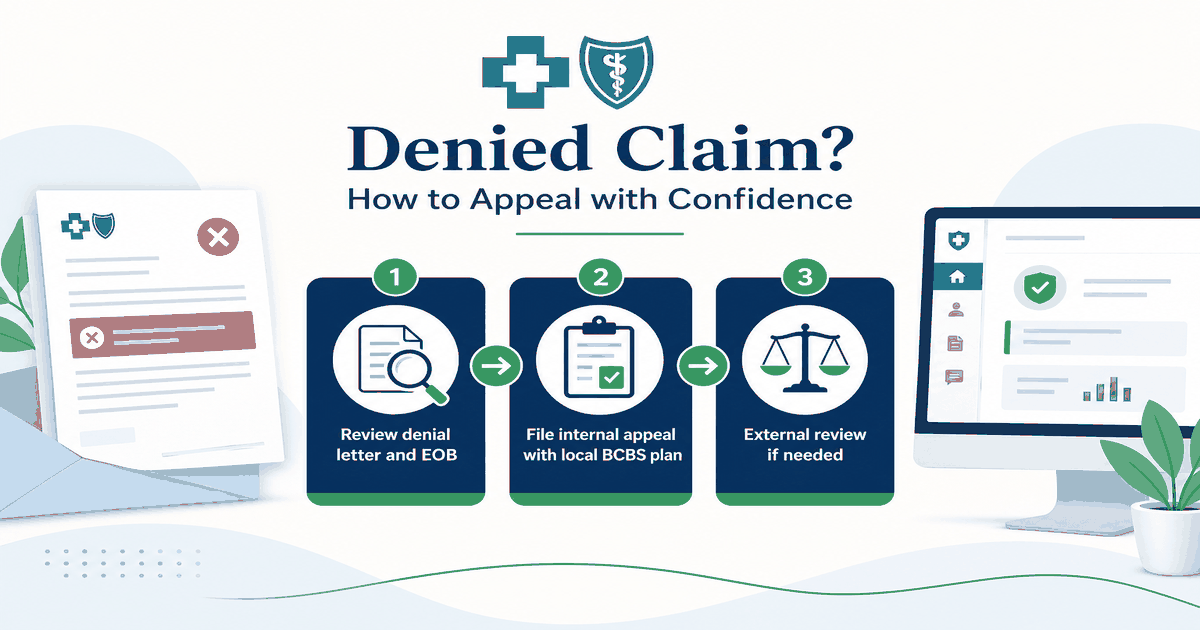
Key Takeaway: The letter is your formal internal appeal after pre-approval is denied. It is not the same as the prior auth request your clinic filed. You respond to the specific criteria on the denial notice and ask the plan to reverse the adverse benefit determination.
Prior authorization means the plan reviews coverage before a drug, imaging study, surgery, or durable equipment is approved. When that review ends in a denial, you still have appeal rights described on the notice. A prior authorization denial appeal letter puts your case in writing for the plan's appeals unit.
If you are new to the process, read what prior authorization is first. Then compare your notice to the general appeal format in our guide on how to write an insurance appeal letter. The PA version adds clinical policy citations and a tighter link to the authorization reference number.
Act on the denial date. Appeal windows are printed on the notice. Missing the filing date can end your internal review rights for that determination.
What Documents Should You Attach to the Appeal?
Key Takeaway: Build one complete packet before you submit. Plans are not required to keep the record open while you hunt for missing labs or policy pages. Number every attachment in the letter body.
Request the plan's clinical policy or medical necessity criteria cited in the denial. Under DOL ERISA claims procedure rules, many plans must share documents relied on in the decision. Match your records to each bullet the policy lists.
- Denial letter with authorization reference number and cited criteria
- Treating provider notes, test results, and imaging reports tied to the request
- Letter of medical necessity signed by the prescribing or treating clinician
- Plan clinical policy section the denial referenced
- Step therapy or prior drug trial records when the denial cites failed alternatives
Ask your clinic to request a peer-to-peer review while you gather documents. That call can overturn the denial before you mail the letter.
How Do You Write a Strong Prior Authorization Denial Appeal Letter?
Key Takeaway: Strong letters mirror the plan's own criteria language. Weak letters ask for sympathy or repeat that your doctor wants the service. Tie each paragraph to a numbered criterion from the denial or policy.
Open with member ID, authorization number, denial date, and a clear request for internal appeal. In the body, walk through each denial reason in order. Close with a numbered enclosure list and your contact information. Use the prior authorization appeal generator to draft a starting version from your facts, then edit every line before sending.
| Weak appeal language | Strong appeal language |
|---|---|
| “My doctor says I need this drug and the denial is unfair.” | “I appeal denial Ref. PA-88421 dated 08/12/2026. Criterion 2.1 requires documented failure of metformin. Attached progress notes show 90-day trials at therapeutic doses with A1C above target.” |
| “Please approve my MRI because I am in pain.” | “Policy MP-ORTHO section 4.3 allows MRI when conservative care fails for six weeks. Attached physical therapy records cover eight weeks without functional improvement per Dr. Chen's note dated 08/01/2026.” |
| “I need this approved soon.” | “I request expedited review. Delay beyond 72 hours risks documented progression described in the attached oncology note. I cite the urgent appeal right named on my denial notice.” |
How Long Do You Have to Appeal a Prior Authorization Denial?
Key Takeaway: Prior authorization appeals use the deadline on your denial notice, not a blog timetable. Urgent pre-service denials may qualify for expedited review with a shorter decision clock when delay would seriously harm your health.
Federal claims procedure rules require many plans to allow at least 180 days for a standard internal appeal of an adverse benefit determination under DOL ERISA guidance. ACA marketplace plans must disclose appeal timelines on the notice under Healthcare.gov appeal rules. Medicare Advantage and Part D prior auth denials follow the redetermination clocks on Medicare.gov. Calendar the printed date the day your denial arrives.
For a broader deadline walkthrough across plan types, see how long you have to appeal a health insurance denial.
Where Do You Submit a Prior Authorization Appeal?
Key Takeaway: Use the submission channel on your denial notice. Medical prior auth appeals, pharmacy prior auth appeals, and retroactive authorization requests may route to different portals or fax numbers even under the same insurer brand.
Your denial letter lists the appeals address, member portal link, or fax number. Many commercial plans accept PDF uploads through a member website or Availity. Pharmacy prior auth denials from a PBM often require submission through the PBM portal or CoverMyMeds, not the medical claims address.
Keep portal confirmation numbers, fax transmission reports, or certified mail receipts. Appeal rights are tied to timely receipt, not the day you drafted the letter. For sample enclosure formatting, see our health insurance appeal letter sample.
Draft your prior authorization denial appeal letter
AppealFlow builds a formal letter from your denial reason, authorization number, and clinical facts. Edit live, then download as PDF or Word.
What If Your Internal Prior Authorization Appeal Is Denied?
Key Takeaway: A final internal denial is not the end of review for many plan types. The next step is usually external review or a Medicare redetermination, depending on your coverage. Read the final notice for the filing address and clock.
Healthcare.gov's appeals overview describes external review for many marketplace and employer plans after internal appeals end. An independent reviewer studies the medical record and plan terms. The decision is binding on the insurer for qualifying plan types.
Medicare Advantage and Part D use different levels listed on Medicare.gov claims and appeals. Pharmacy prior auth denials may also fit the prescription denial appeal generator when the dispute is formulary or step therapy related.
Employer self-funded plans follow ERISA procedure rules. Fully insured state plans may add state external review options. Your final denial letter should name the program that applies to you.
Frequently Asked Questions
Common questions about prior authorization denial appeal letters, deadlines, peer-to-peer review, and external review rights.
Build your prior authorization denial appeal letter
AppealFlow drafts formal prior authorization appeal letters from your denial criteria and clinical facts. Edit live, download as PDF or Word. No account required.
- 100% Free
- No Signup
- PDF & Word Export
Disclaimer: This article is for educational purposes only and does not constitute medical, legal, or financial advice. Appeal timelines and procedures vary by plan type, state, and individual plan terms. Verify requirements in your plan documents and denial letter. See our full disclaimer.