What Is a Letter of Medical Necessity?
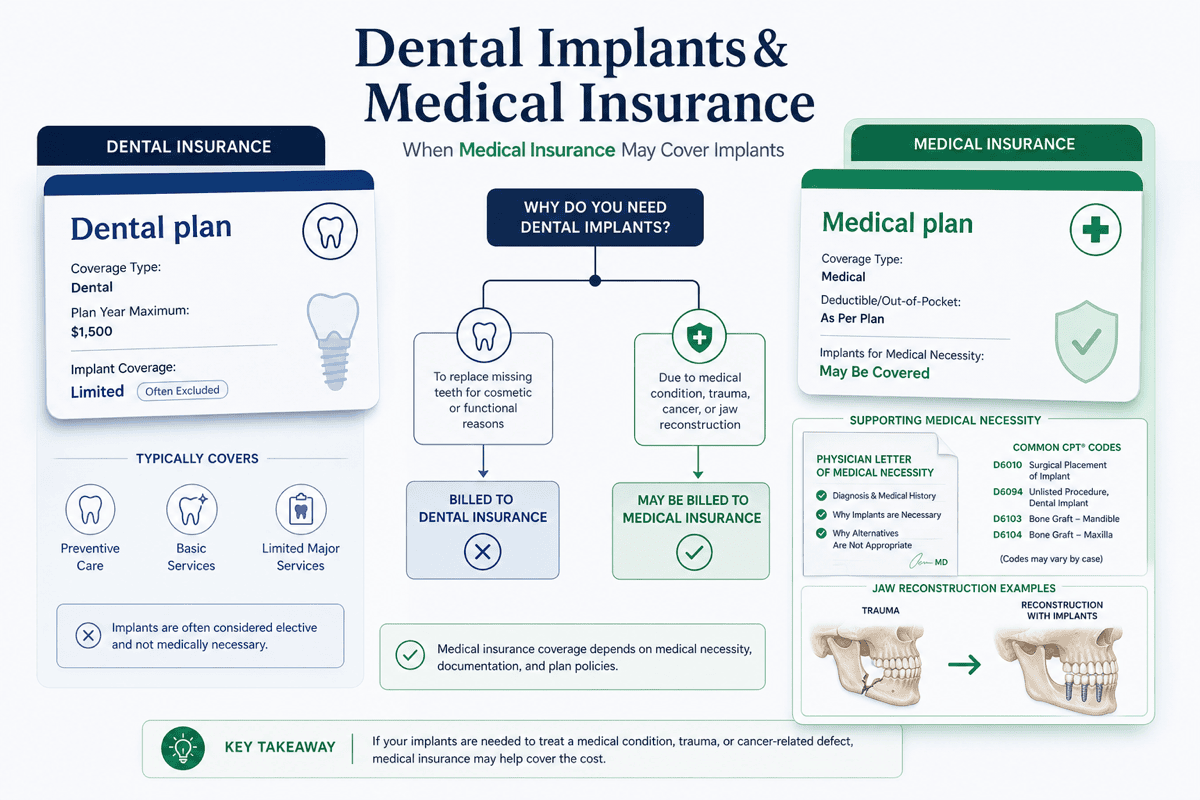
What Is a Letter of Medical Necessity?
Key Takeaway: An LMN is clinical documentation written for the payer, not a patient complaint or a legal appeal. It translates your clinician's judgment into the format insurer medical directors score against plan criteria.
If a denial or prior-authorization notice cites medical necessity, step therapy, or insufficient documentation, you will probably hear about a letter of medical necessity. The LMN names your diagnosis, the service or drug requested, prior treatments tried, and why the requested care fits accepted clinical standards for your condition.
Unlike a routine progress note, the letter is structured for utilization management. It usually includes ICD-10 diagnosis codes, billing or drug codes that match the claim, dated treatment history, and a signed conclusion from a licensed prescriber with NPI on letterhead. A prescription alone, a generic office note, or a patient-written summary does not replace it.
LMNs appear in prior authorization before treatment, internal appeals after denial, pharmacy step therapy overrides, formulary exception requests, and some external review packets. The format varies by payer, but the core job stays the same: show that the requested care meets clinical criteria for your diagnosis under your plan.
Why Do Insurers Require a Letter of Medical Necessity?
Key Takeaway: Plans use LMNs to apply uniform clinical criteria across high-cost services. A denial often means your existing records did not satisfy those criteria, not that your clinician was wrong about your care.
Medical necessity review is a standard gate for specialty drugs, advanced imaging, surgery, durable medical equipment, and off-label prescriptions. Without a structured clinical letter, reviewers cannot easily match your chart to the plan's medical policy or pharmacy criteria.
Healthcare.gov's internal-appeals page states that you can appeal when a plan denies a claim because a service is not medically necessary and that you may include a letter from your doctor. The LMN supplies that clinical proof. Your separate appeal letter invokes the appeal right printed on your notice.
Pharmacy benefit managers use LMNs for step therapy documentation and formulary exceptions. Medicare Advantage and Medicaid managed care plans follow similar workflows, though Medicare fee-for-service uses its own coverage and redetermination rules on Medicare.gov. Employer ERISA plans and ACA marketplace plans also differ on deadlines. Read your denial notice and Summary Plan Description rather than assuming one national rule.
Who Writes a Letter of Medical Necessity?
Key Takeaway: Your treating prescriber must write and sign the letter. You can organize records and draft your member appeal, but the clinical attestation must come from a licensed clinician managing your care.
The letter usually comes from the physician, specialist, or other licensed prescriber who examined you and ordered the denied service. Nurse practitioners and physician assistants are generally accepted when they prescribe under state scope-of-practice rules. Office staff cannot substitute for a prescriber signature.
Specialist letters often carry more weight for specialty services. A neurologist's LMN for a brain MRI may address imaging criteria more directly than a brief primary care note. Either can work when it names codes, dates, and guideline references the denial asked for.
Bring your denial letter, EOB, and a timeline of prior treatments to the appointment or portal message. Ask the office to address the specific documentation gap in the reason code. You can use the medical necessity appeal generator to draft your member appeal letter while your clinician prepares the signed LMN.
When Do You Need a Letter of Medical Necessity?
Key Takeaway: You need an LMN when a notice cites medical necessity, step therapy, experimental treatment, or missing clinical documentation. Routine primary care and tier-1 generics without prior auth usually do not require one.
Common triggers include prior authorization for specialty drugs, MRI or CT scans, surgery, prosthetics, CPAP or other durable medical equipment, physical therapy beyond visit limits, and off-label drug uses. Your denial letter or PA form should say whether a physician letter is required.
| Situation on your notice | Typical next step |
|---|---|
| Medical necessity or not medically necessary denial | Clinician LMN plus written internal appeal before the notice deadline |
| Prior authorization before service | Prescriber submits LMN through PA portal or CoverMyMeds |
| Step therapy or formulary exception | Document failed steps with dates; see how to appeal a step therapy denial |
| Benefit excluded or not a covered service | May need a different appeal path than a clinical LMN; read the exclusion language on the notice |
What Should a Letter of Medical Necessity Include?
Key Takeaway: Strong LMNs match the billed service exactly, document prior therapies with dates, and cite guidelines the plan's policy references. Missing any of those elements is a common reason for another denial.
Use this document checklist when you review a draft from your clinician's office:
- Patient name, date of birth, member ID, and letter date on prescriber letterhead
- ICD-10 diagnosis codes with brief clinical context, not code numbers alone
- Requested drug, procedure, or device with CPT, HCPCS, or NDC codes that match the claim
- Prior treatments tried with start and end dates, doses, and documented outcomes
- Relevant labs, imaging, or functional scores tied to the denial reason
- Signed conclusion, prescriber credentials, specialty, NPI, phone, and fax
For section-by-section writing help, see how to write a medical necessity letter for insurance appeals and our medical necessity appeal letter template for the member appeal that wraps around the LMN.
How Is an LMN Different From an Appeal Letter?
Key Takeaway: The LMN answers whether you meet clinical criteria. The appeal letter is your formal member request that cites the denial, lists attachments, and asks for a decision within the timeframe on your notice.
Patients often submit one document and wonder why the denial stands. The letter of medical necessity contains diagnosis codes, treatment history, and a clinician signature. It does not replace your right to file a written internal appeal.
Your appeal letter references the denial date and reason code, names the appeal right on your notice, lists every attachment including the signed LMN, and requests a written determination. Some prior authorization workflows accept only the LMN before any claim is denied. After denial, the member appeal letter becomes mandatory for internal and external review on most commercial plans.
Think of the packet as two layers. The appeal letter is the cover sheet that tells the plan you are exercising your rights. The LMN is the clinical evidence inside. Medical directors score the LMN. Appeals coordinators confirm you filed on time with required documents.
Weak vs. Strong Medical Necessity Language
Key Takeaway: Reviewers approve specific evidence with codes, dates, and guideline references. Vague statements that a patient needs treatment without supporting detail rarely answer the criteria on the denial.
Use the table below when you review a draft from your clinician's office or when you explain what the denial asked for.
| Weak LMN language | Strong LMN language |
|---|---|
| “This patient needs an MRI to evaluate back pain.” | “Patient with ICD-10 M54.5 failed eight weeks of physical therapy and NSAIDs without functional improvement. ACR Appropriateness Criteria support lumbar MRI when conservative therapy fails. Request CPT 72148 to evaluate suspected disc pathology before surgical referral.” |
| “Patient requires Wegovy for weight loss.” | “Patient BMI 33.8 with hypertension and prediabetes completed documented lifestyle modification and metformin trial with intolerance. Step therapy criteria on denial PA-STEP-01 are satisfied. NDC matches pharmacy claim.” |
| “Please approve this medication. It will help my patient.” | “Denial cites insufficient documentation of failed methotrexate trial. Attached: 6-month methotrexate log and visit notes. Biologic is indicated for rheumatoid arthritis per cited ACR guideline when conventional DMARD response is inadequate.” |
Have the LMN? Draft Your Appeal Letter
AppealFlow builds a medical necessity appeal from your denial reason and facts. Attach your clinician's signed letter and submit through the portal on your notice.
How Do You Submit a Letter of Medical Necessity?
Key Takeaway: Submit through the channel named on your denial or PA notice. Portal upload with confirmation beats fax alone when you need proof you met a deadline.
Medical service LMNs usually go through the health plan member portal or Availity. Pharmacy LMNs often go through CoverMyMeds, Express Scripts, OptumRx, or Caremark. Your notice should list the fax number, mailing address, or portal path. If it does not, call the number on the back of your insurance card and ask where to attach clinical documents for the specific claim or PA reference number.
For CoverMyMeds pharmacy requests, your prescriber often initiates submission with the key code from the denial. You can still file your member appeal through the PBM or plan portal when the notice allows member uploads. Save confirmation numbers and screenshot timestamps.
Calendar the internal appeal deadline from your notice separately from prescriber turnaround time. If you need more context on fighting a not medically necessary label, see what to do when insurance says a claim is not medically necessary.
Common myth: A letter of medical necessity guarantees approval. It does not. Plan exclusions, benefit limits, and out-of-network status can still result in denial even with a detailed LMN.
Frequently Asked Questions
Definition, who writes the letter, submission paths, and how an LMN differs from your member appeal.
Generate Your Medical Necessity Appeal Letter
AppealFlow.net drafts a regulation-informed appeal from your denial reason and facts. Pair it with your clinician's letter of medical necessity for a complete packet.
- 100% Free
- No Signup
- PDF & Word Export
Disclaimer: This article is for educational purposes only and does not constitute medical, legal, or financial advice. AppealFlow.net is not a healthcare provider, insurance broker, or law firm. Appeal deadlines and medical policies vary by plan and program. Verify your denial notice, Healthcare.gov, CMS.gov, or Medicare.gov before you file. For medical emergencies, call 911. See our full disclaimer.